Our whenua.
Our people.
Our future.
Kia ora. Ko Aho tēnei.
Aho Farms is built on the belief that whenua can create more than a crop.
It can create opportunity, skilled employment, stronger Māori participation in the economy, reconnection and intergenerational value.
By creating productive new uses for underutilised Māori whenua, we want to help build an industry in which Māori can participate across the entire value chain, as landowners, employees, investors, leaders and beneficiaries.
This is about what we grow.
And what can grow from it.
In little more than two generations, the shape of Māori life changed.
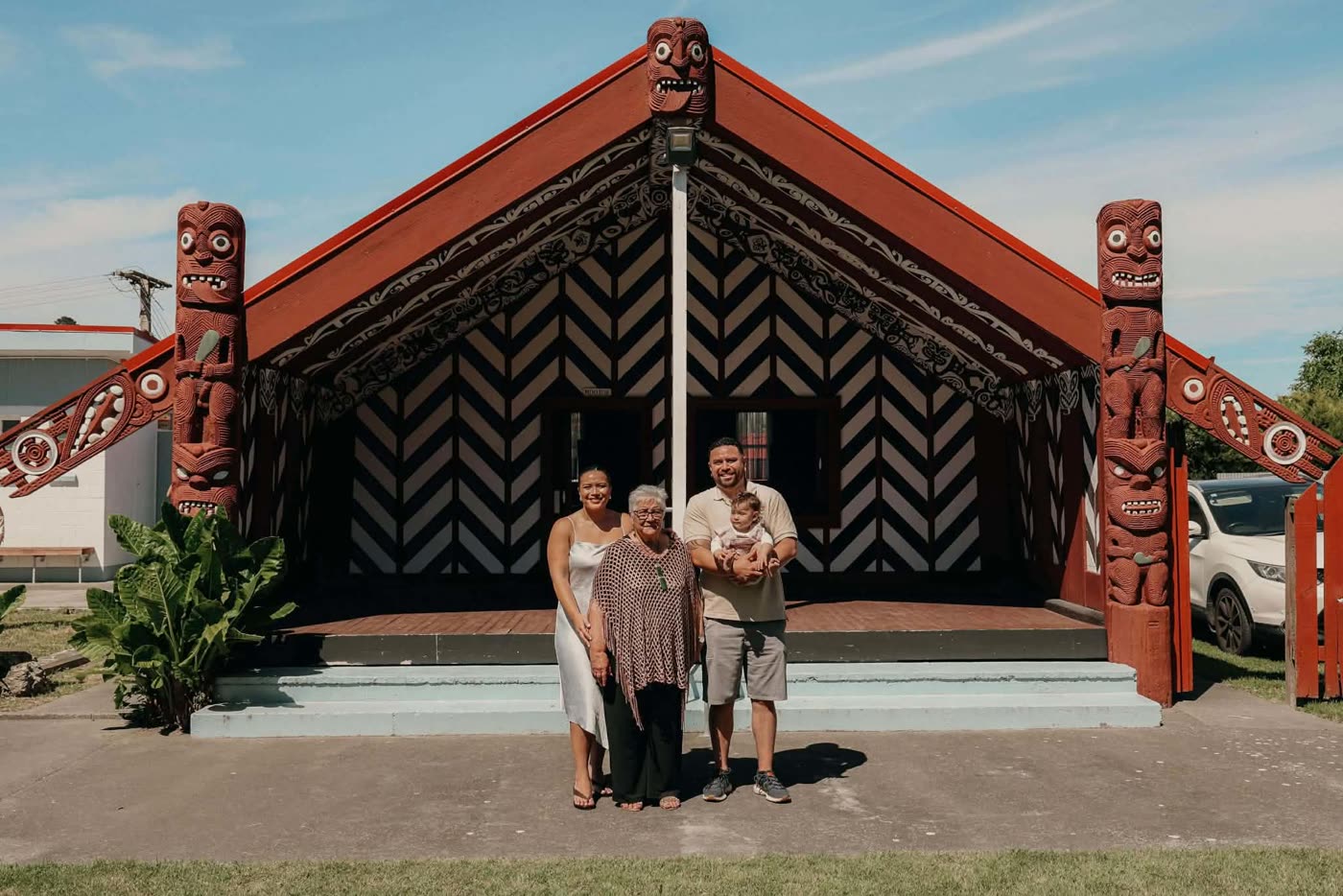
In 1926, just 15.6% of Māori lived in urban areas. By 1981, that figure had reached 78.5%.
Urbanisation brought access to employment and opportunity, but for many whānau it also meant physical distance from ancestral whenua, marae, hapū and iwi.
Aho cannot undo that history. But we believe creating meaningful economic opportunities on Māori whenua can give more of our people the choice to build careers closer to home.
Returning opportunity to the whenua can create new reasons to return to the whenua.
Source: Statistics New Zealand, New Zealand Official Yearbook.
5% remains.What we do with it matters.
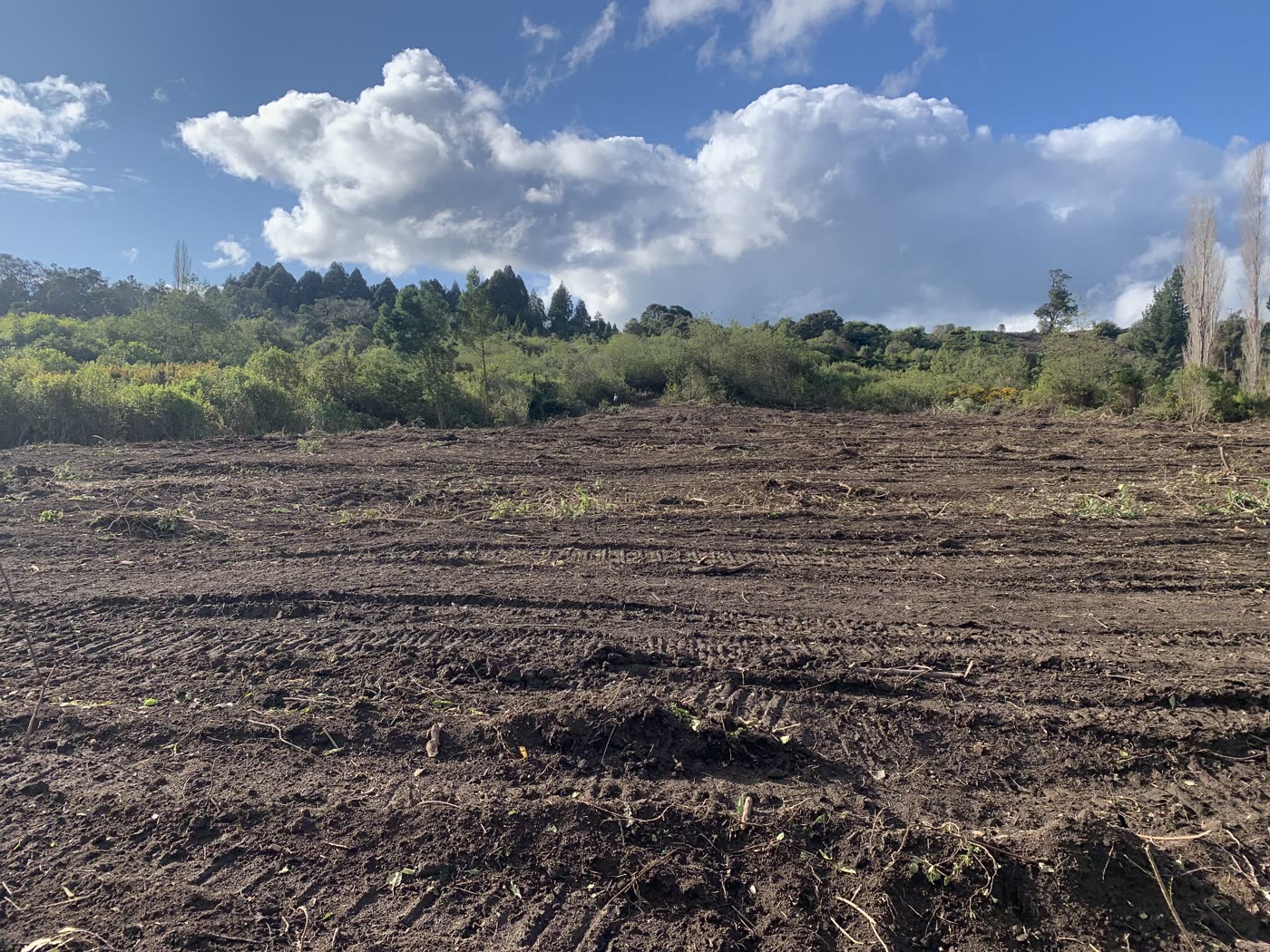
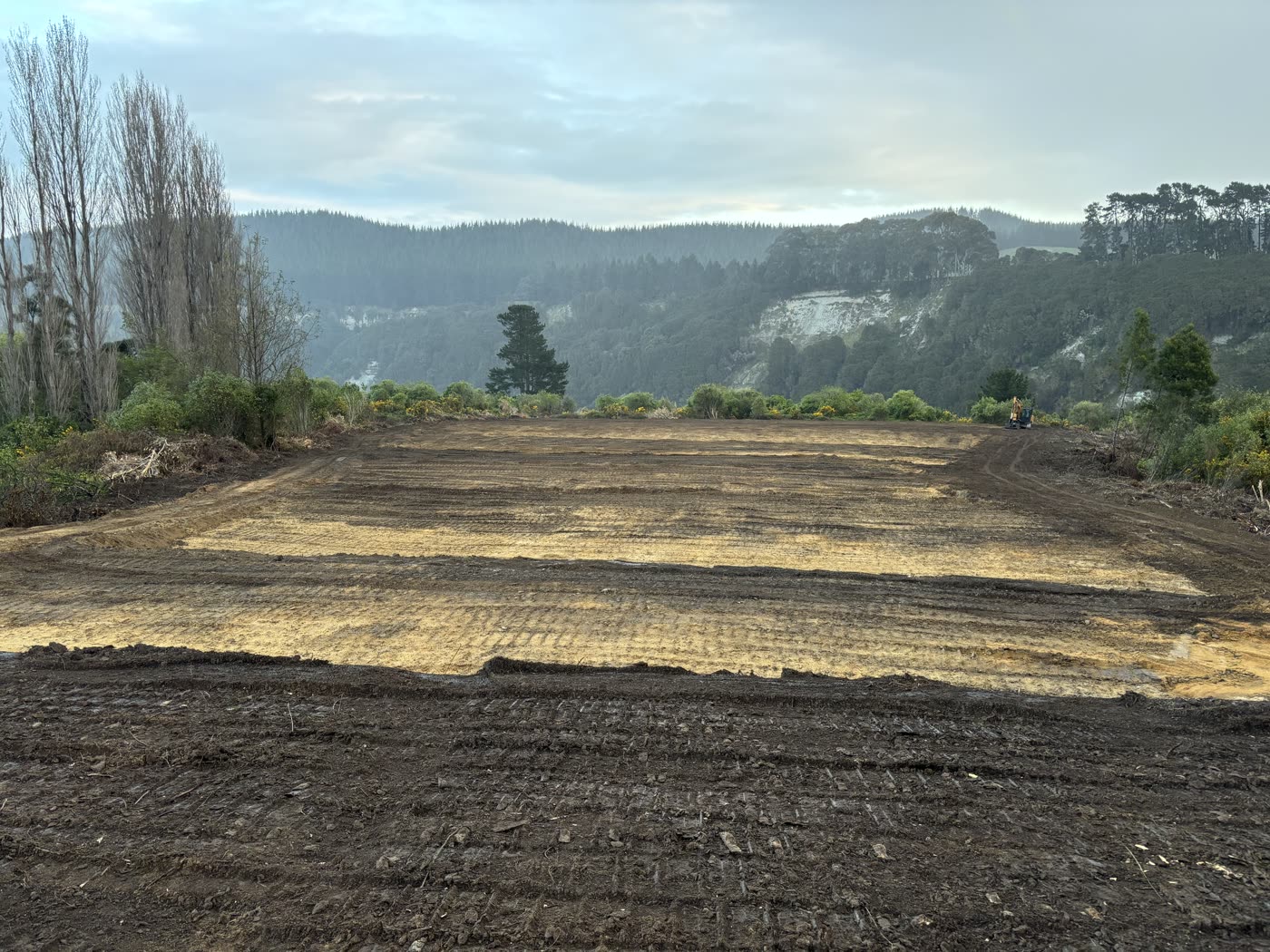
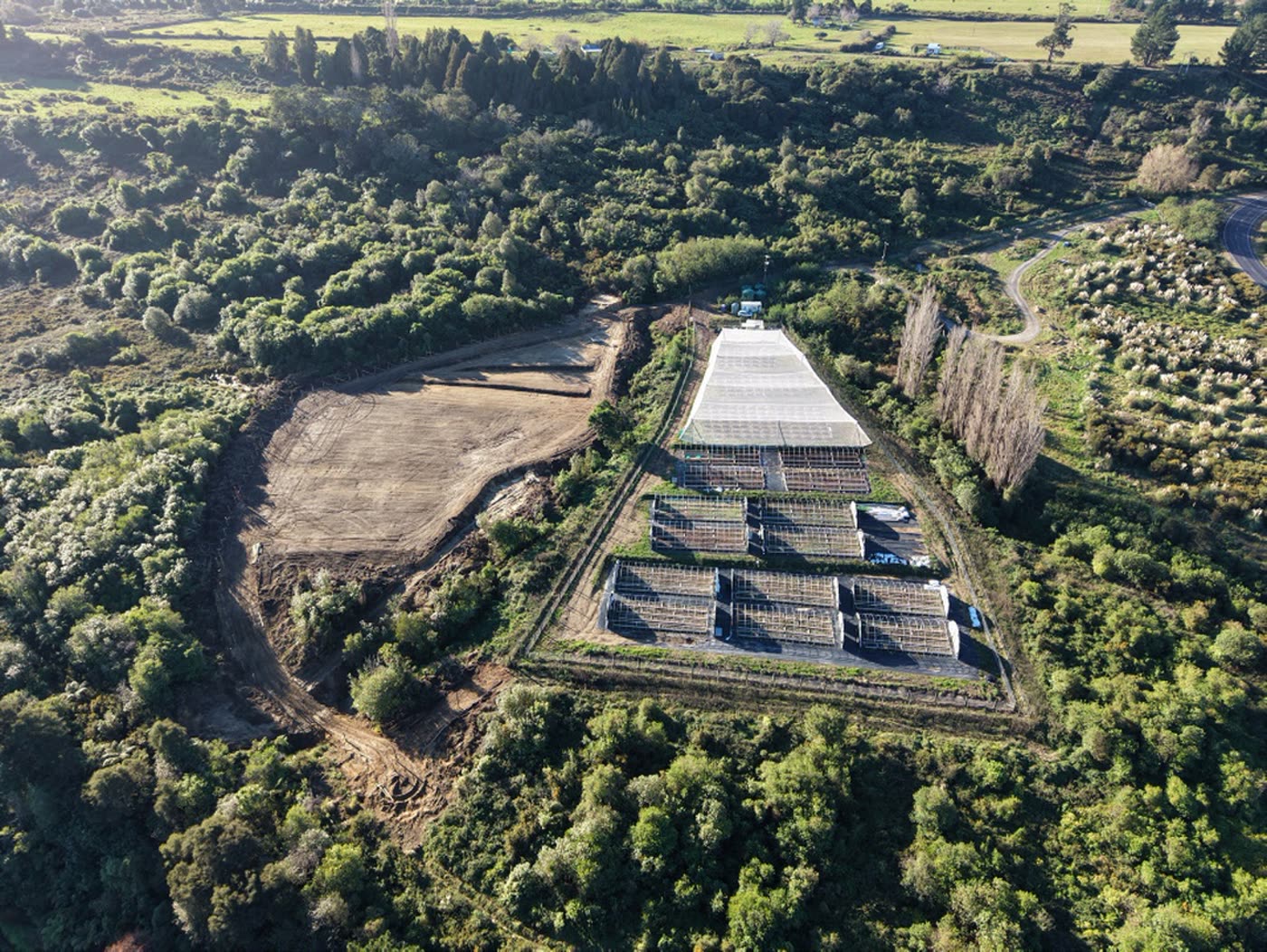
Māori freehold land represents approximately 5% of New Zealand's total land area, with much of it in the central and upper North Island.
For Aho, this whenua is not simply a commercial asset waiting to be developed. It is inherited across generations and carries whakapapa, identity and responsibility.
About 5% of Aotearoa, around 1.4 million hectares
Where whenua is suitable, potential creates possibility.
Economic returns while maintaining connection to the land and its people.
More than land. A legacy.
For Aho, this whenua is more than a place to grow. It is a taonga tuku iho, a gift passed down, with the responsibility to protect it, enhance it and create opportunity for those who follow.
Opportunity with purpose.
Where whenua is suitable, we see an opportunity to establish high-value cultivation that can generate employment, capability and sustainable economic returns while maintaining the connection between the land and its people.
Source: Te Puni Kōkiri, 2024.
Bring opportunity home.
A medicinal cannabis operation requires far more than growers.
It creates opportunities across horticulture, science, quality assurance, compliance, manufacturing, logistics, technology, management and governance.
Our ambition is to build pathways through those roles for Māori, creating skills that stay with our people, income that supports whānau and experience that contributes to a stronger Māori economy.
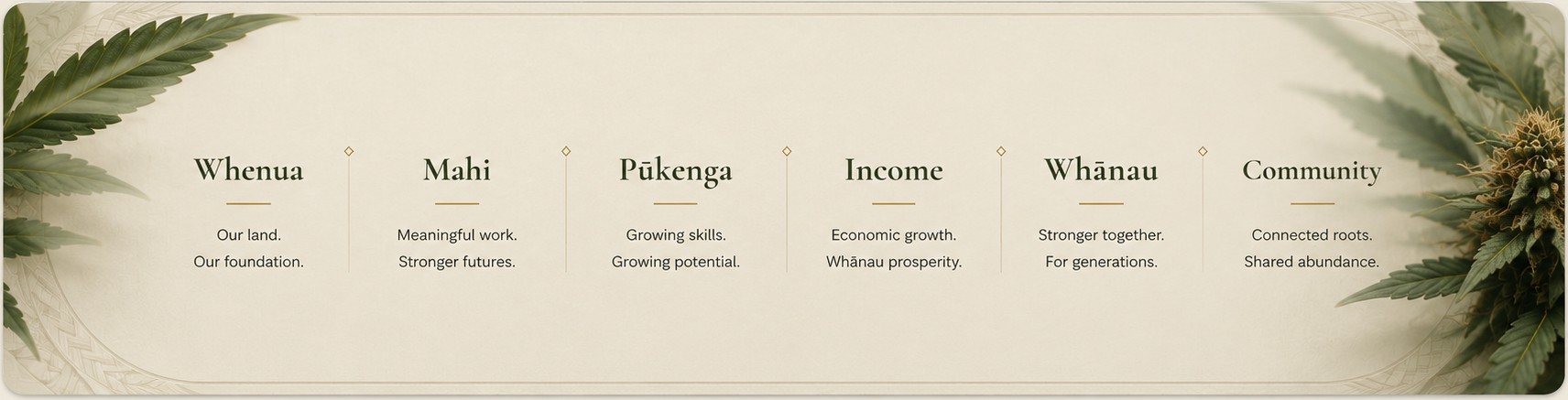
- WhenuaOur land. Our foundation.
- MahiMeaningful work. Stronger futures.
- PūkengaGrowing skills. Growing potential.
- IncomeEconomic growth. Whānau prosperity.
- WhānauStronger together. For generations.
- CommunityConnected roots. Shared abundance.
We don't only want to grow plants on Māori whenua. We want to grow capability from it.
Māori whenua. Māori capital. Māori participation.
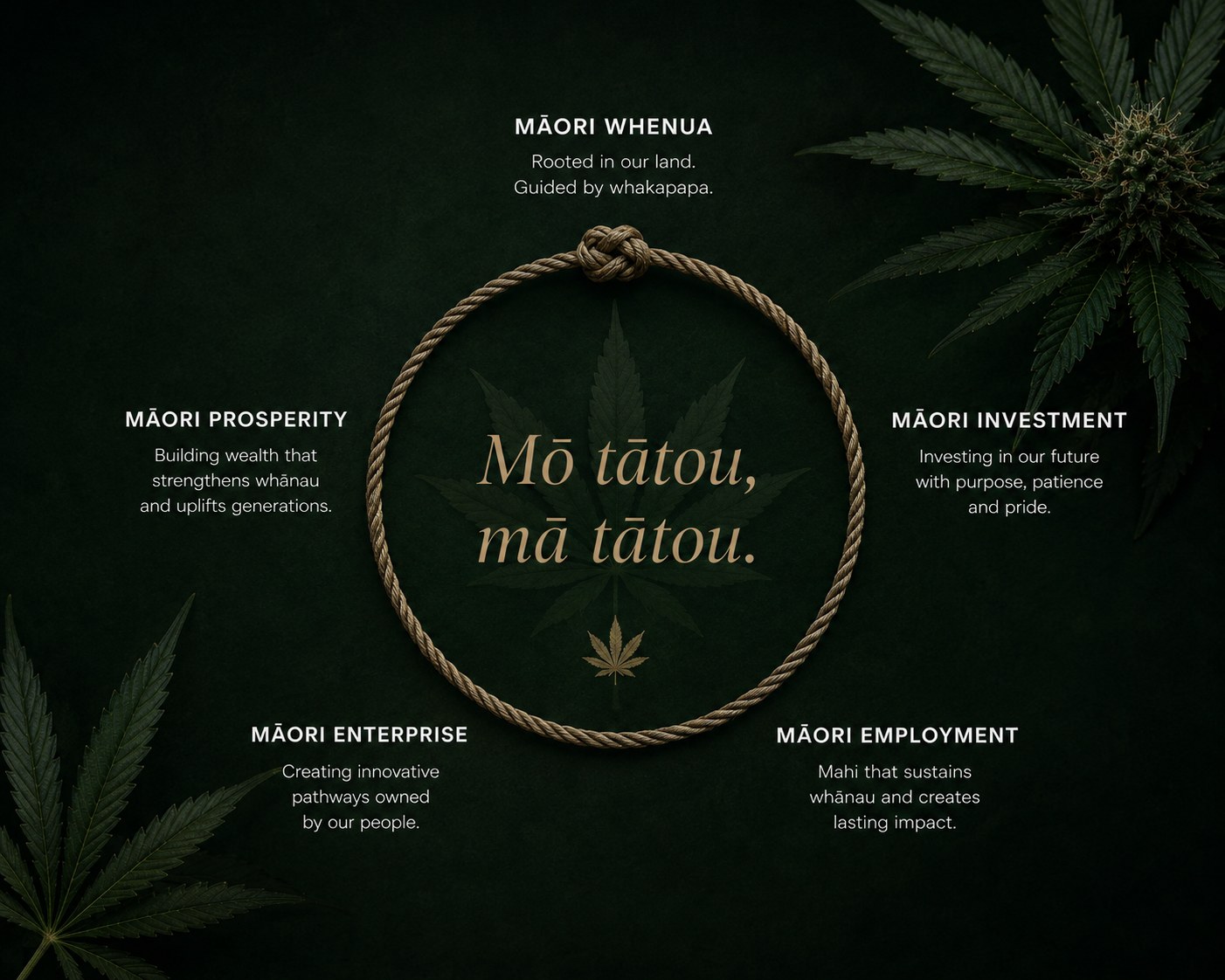
Aho Farms is backed by Māori investment because ownership matters.
We believe Māori economic development is stronger when participation extends beyond land and labour into investment, leadership and ownership.
The opportunity is to create a cycle in which Māori capital helps activate Māori opportunity, commercially sustainable businesses create value, and more of that value has the potential to remain within Māori communities.
The thread continues with you.